

Every Decision You Make Could Be Used Against You in Court
Part 1 of my series examining lessons for concealed carriers from the George Zimmerman murder trial.
If you ever end up on trial for a defensive shooting, there’s a good chance some of the decisions you’ve made throughout your life will be presented to a jury as evidence that you did something wrong.
I’m not just talking about the seconds leading up to the shooting. I’m talking about what gun you bought, how you carried it, what training you’ve taken, things you’ve said, and how you behaved afterward.
I recently finished watching nearly 88 hours of the George Zimmerman murder trial. In my introduction to this series, I explained why I invested that much time in a trial from 2013. One of the biggest lessons I took away was just how many ordinary decisions became evidence.
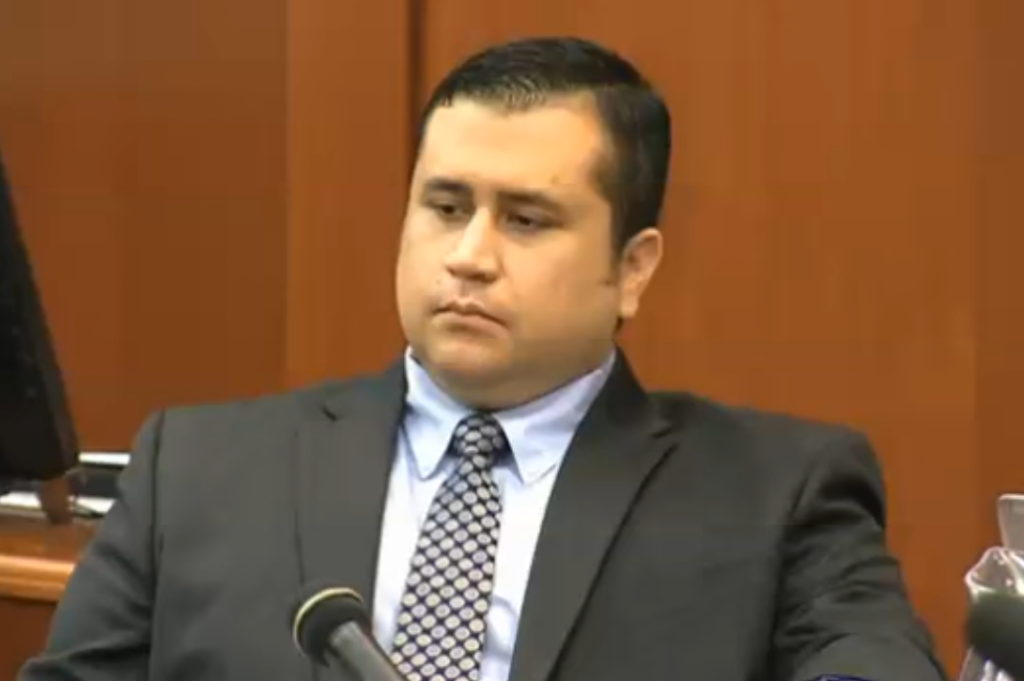
“Can It Be Used Against Me?” Is the Wrong Question
Spend five minutes in any gun forum and you’ll see somebody ask whether their trigger job, their trauma kit, their pepper spray, or their training certificates “can be used against” them. Somebody else will answer with total confidence, one way or the other.
In 2023, Riley and I sat down with Don West for an episode we titled Can It Be Used Against Me? Don has been a board-certified criminal trial lawyer in Florida since the 1980s, and he was Mark O’Mara’s co-counsel defending George Zimmerman. When I asked him how he reacts to that question, his answer was the least satisfying one possible: it depends.
Here’s why. For evidence to come in at trial, it has to be relevant, and relevance is a low bar. Just about anything that nudges a fact in the case one way or the other qualifies. So the real fight isn’t over whether something is relevant. It’s over whether it’s fair.
Judges handle that with a balancing test (Rule 403 in the federal rules, with a version in most state codes). The judge weighs how useful the evidence actually is against how much unfair prejudice it creates, whether it would mislead or confuse the jury, and whether it just wastes time. Evidence that’s emotionally powerful but not very useful can be kept out entirely.
Most of those fights happen before the jury ever hears a word. Either side can file what’s called a motion in limine, asking the judge to rule ahead of time on whether something comes in. Don told me there were something like ten of them filed by the two sides in the Zimmerman case.
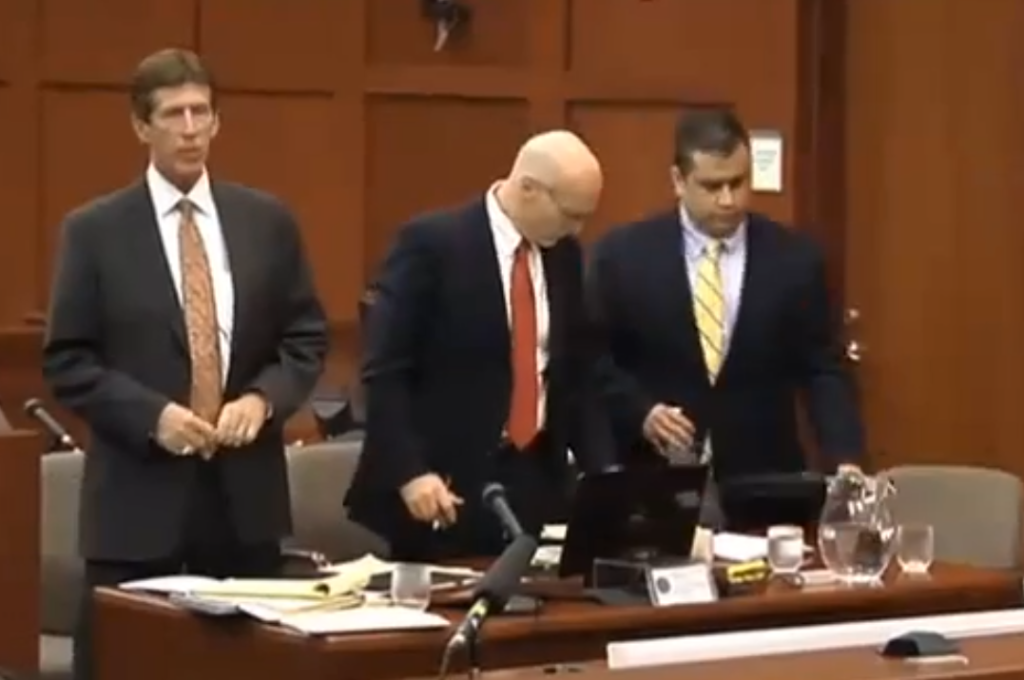
Several hearings took place without a jury present to determine the admissibility of evidence
The biggest one was over the 911 call that captured someone screaming for help during the fight. The state hired experts who were prepared to tell the jury the voice was Trayvon Martin’s. The defense challenged the science, and after a hearing that ran several days, the judge excluded that expert testimony. Don said she didn’t rule until the Saturday before opening statements, after two weeks of jury selection. Think about having to prepare a defense without knowing whether that was coming in.
Even a pretrial ruling isn’t the final word. If a witness says something they shouldn’t, they can “open the door,” and evidence the judge previously kept out can suddenly become fair game.
So a better question than “can it be used against me” is the one I put to Don on the show, and he agreed with it: if this is used against me, how damaging will it be, and how hard will it be for my defense team to deal with?
After watching the Zimmerman trial, I’d sort the answers into three buckets.
Things That Sound Bad but Are Easy to Explain
These are the things a prosecutor can wave around in front of a jury, but your defense can neutralize with a reasonable explanation and the right witness. They might eat up time in court. They probably aren’t going to sink you.
A Round in the Chamber
George Zimmerman carried a Kel-Tec PF-9, a compact single-stack 9mm with no external safety. Not a popular carry gun by today’s standards, but that’s beside the point. On the night he shot Trayvon Martin, it had a round in the chamber and a full magazine.
None of that sounds interesting to most people reading this. A fully loaded gun with a round chambered and no manual safety probably describes the gun most of you are wearing right now.
The prosecution made it sound sinister anyway. In his opening statement, prosecutor John Guy described Zimmerman patrolling his neighborhood with a pistol in a “ready-to-fire position” with a live round in the chamber. The implication was malice. Later, prosecutors walked the state’s firearms analyst through how the gun operated and the fact that it was ready to fire without racking the slide.
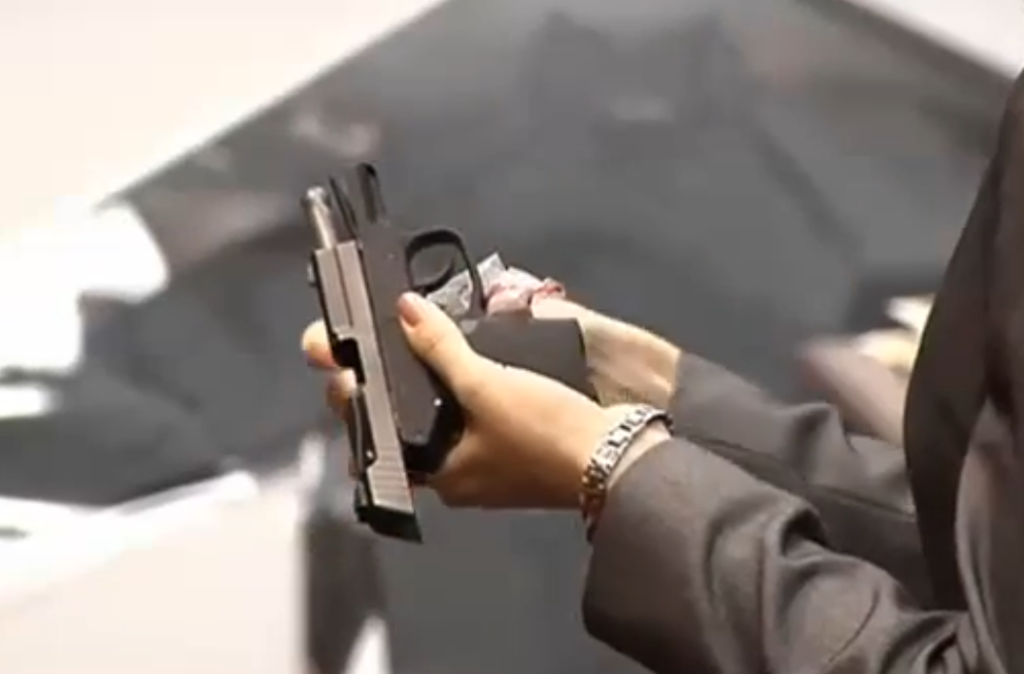
The Firearm Expert Witness called by the state in the Zimmerman trial was able to explain the difference between single and double action and how internal safeties work.
The defense answered it with four law enforcement officers and two expert witnesses who testified that Zimmerman carried his gun according to best practices and that his firearm was a safe choice. That included Mark Osterman, the federal air marshal who trained Zimmerman and had told him to carry a double-action-only pistol with a round in the chamber. Even the state’s own witness helped. FDLE firearms analyst Amy Siewert testified that the gun was safe to carry loaded because it wouldn’t fire unless the trigger was pulled.
Don described the strategy to me pretty simply. They asked officers whether they carry with a round in the chamber. By the time you get half a dozen people who’d scoff at the idea of carrying an unloaded gun on duty, the jury catches on.
But even an easy win has a cost. Don estimated that issue took up a couple of hours of trial time that never should have been spent. That’s the nature of this first bucket. It’s not dangerous, but it’s not free.
Calling the Police Over and Over
Here’s one that surprised me. The jury heard recordings of five non-emergency calls Zimmerman made to the Sanford police in the roughly six months before the shooting during trial and a 6th one wasn’t played but was in evidence. Each one reporting someone he considered suspicious in his neighborhood.
The prosecution wanted those calls in because they believed they showed a man who was increasingly frustrated with break-ins and had reached a breaking point. Prosecutor Richard Mantei argued the recordings showed Zimmerman’s “ill will.”
But look at what those calls actually show. A neighborhood watch volunteer saw something he didn’t like and called the police. Then he let the police handle it. Defense attorney Mark O’Mara framed it as the state asking the jury to leap from good, responsible citizen behavior to something sinister.
That’s a decision that can cut both ways, and a good defense can make it cut mostly in your favor. Calling the cops instead of confronting someone yourself is exactly what we tell people to do.
Some Things Aren’t Even Worth Answering
Don shared another example from the Stephen Maddox case in North Carolina, where the prosecutor tried to use the vanity plate on Maddox’s motorcycle as evidence of premeditation. It read REDRUM, which is “murder” spelled backward, and he’d had it for years.
His defense team’s attitude was basically: don’t even bother with it. A prosecutor reaching that far is telling the jury they don’t have much real evidence. Don said Maddox was acquitted within a couple of hours. We also had Stephen on the podcast to tell the story himself in The Tale of Two Battles, Physical and Legal.
What everything in this bucket has in common is a legitimate purpose that a reasonable person can understand once it’s explained. So don’t start carrying an empty chamber because you’re worried how a prosecutor might describe it. Don’t stop calling the police. Don’t make yourself less capable of defending your life to avoid a criticism that’s easy to answer.
Things You Can Explain, but It Takes Work
The second bucket is trickier. These are things your defense can deal with, but it costs them witnesses, time, and some of your credibility with the jury. Often the problem isn’t the underlying decision. It’s something you said or did that made it harder to explain.
Knowing the Law and Saying You Didn’t
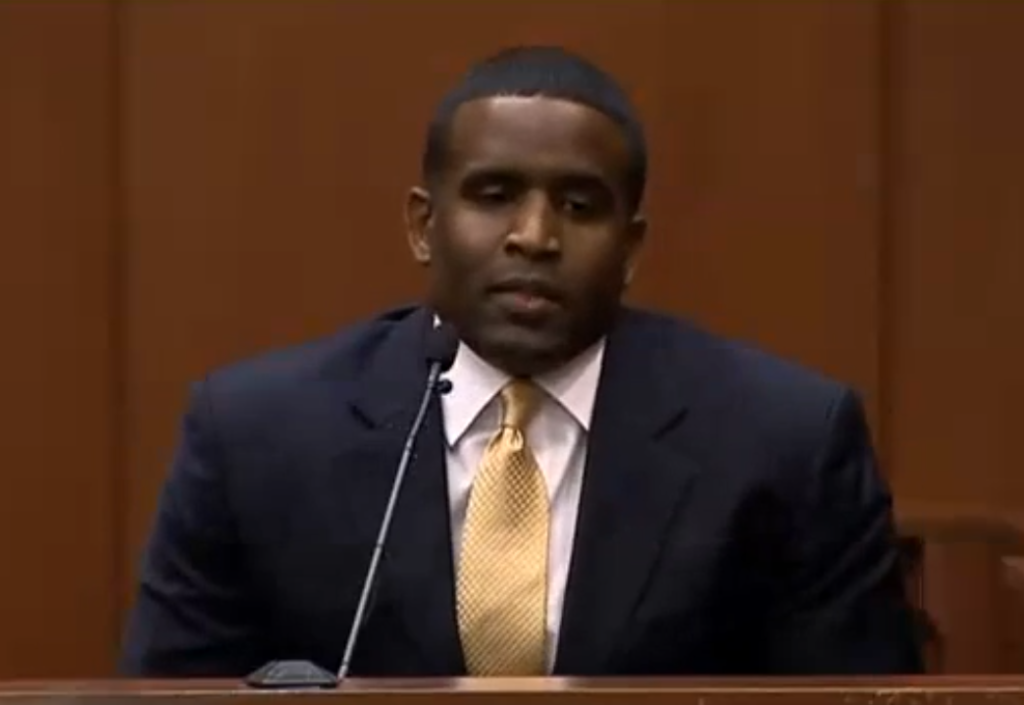
One of George’s college professors that testified George had been taught about the Florida stand your ground law
Zimmerman had taken criminal justice classes at Seminole State College. One of his instructors, Alexis Carter, testified that he taught Zimmerman’s criminal litigation class in 2010, that he covered self-defense and Stand Your Ground law at length, and that Zimmerman was one of his better students. He gave him an A.
On its own, that’s not a big deal. We encourage people to learn the law. Knowing when you’re allowed to use deadly force is a good thing, and a defense attorney can make that case.
The problem is that Zimmerman had told Sean Hannity, on national television, that he hadn’t heard of Stand Your Ground until after the shooting. The prosecution played the Hannity interview for the jury and then put Carter on the stand. Maybe George didn’t know it by that name or maybe he just didn’t remember what he learned in the course. It doesn’t matter.
Now his defense isn’t just explaining why a responsible gun owner studies self-defense law. They’re explaining why their client said something that the state’s witness contradicted. That’s a much harder job, and it was entirely self-inflicted.
The MMA Gym
Zimmerman had trained at a mixed martial arts gym for roughly a year before the shooting. In its opening statement, the state argued that the gym membership showed he was a capable fighter who didn’t need a gun to deal with an unarmed teenager.
The defense answered with the gym’s owner, Adam Pollock. He described Zimmerman as “physically soft” when he joined, rated his fighting ability at about a 0.5 out of 10 when he started, and said he’d only improved to around a 1 by the time he stopped training. Zimmerman lost a lot of weight. He never really learned to fight.
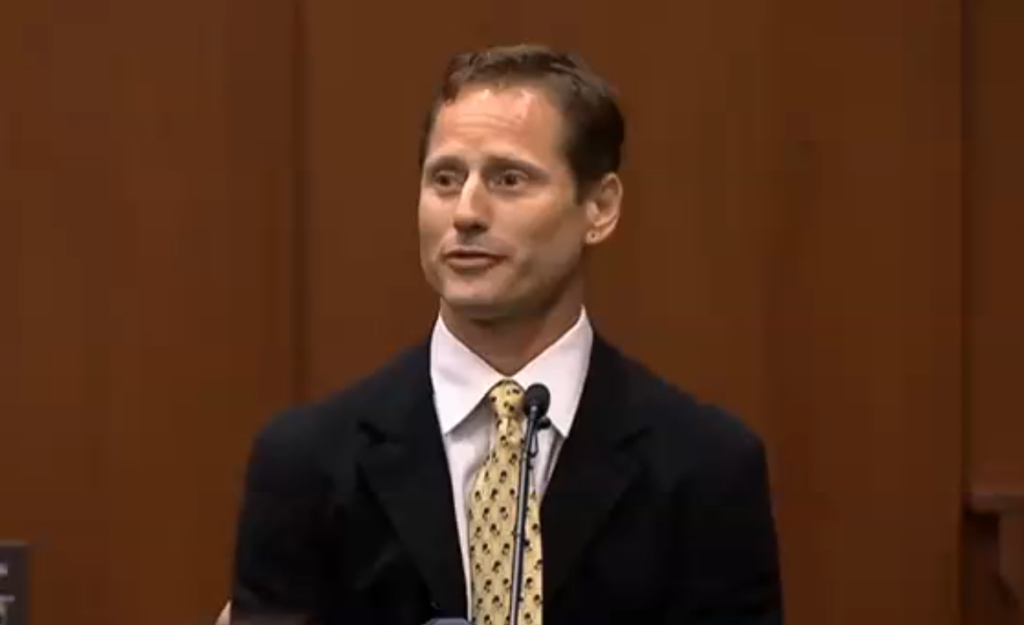
That testimony worked. But think about what it took. The defense had to bring in a witness, get him to say some unflattering things about their own client, and survive a cross-examination that poked at the gym’s marketing and its “most complete fight gym in the world” slogan.
Getting healthy and training is a good idea, not a bad one. The point is that you better be prepared to explain why you sought out the training and be held to the level of responsibility that comes with the education you received.
Your Training Is Mostly an Asset
None of this means you should avoid training. Being poorly trained is not a legal strategy I’d recommend, and Don made the case for training better than I can.
His point was that in most self-defense cases, the defender ends up having to testify. A client who can explain to a jury why they did what they did, and why they didn’t do other things, because that’s how they were trained, is a far more credible witness. He’d rather have that client than worry about how a prosecutor might spin a training certificate. He also pointed out that people with more training are often less likely to end up using the gun at all, because they recognize other options earlier.
The question is what kind of training it looks like. Training to become a responsible, capable gun owner helps you. Anything that looks like training to become a killer hurts you. The same goes for how you describe it. If you’ve been telling people at the range that you’re a killer on the mat, don’t be surprised when somebody repeats it under oath.
Equipment works the same way. Don’s rule of thumb was that you’re on safe ground if your gun, setup, and ammo look like what police carry. The further you deviate, the more likely you’ll have to explain why. A trigger job or new sights you can explain. A slogan engraved on the slide that sounds like you were looking for a fight is a lot harder, especially if the prosecution is arguing you were the aggressor.
Things That Are Just Going to Make You Look Bad
This is the bucket that should actually worry you. These are things no amount of explanation will fully fix. Your defense can offer context. They can’t make the jury unhear it.
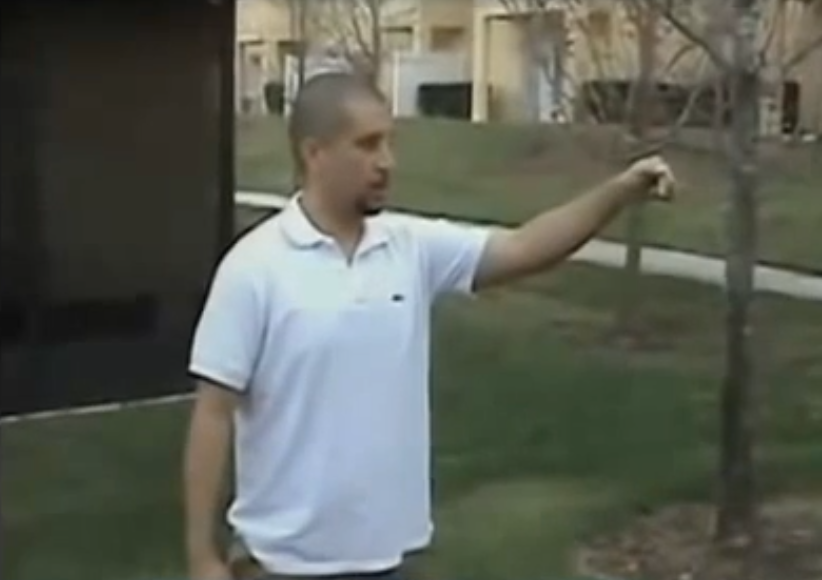
After a statement given to one investigator, a written statement, and another statement given to a different investigator, Zimmerman then took officers through a walkthrough. His “4th statement” without any legal counsel.
Your Words
On the night of the shooting, Zimmerman called the police non-emergency line to report Trayvon Martin as suspicious. During that recorded call, he muttered “fucking punks” and complained that “these assholes, they always get away.”
Those were the first words John Guy said to the jury in his opening statement. He repeated them several times.
Think about that. A murder trial with forensic evidence, eyewitness testimony, medical experts, and complicated legal questions opened with the prosecutor repeating a few angry words from a phone call. I honestly believe those words were a big reason Zimmerman was charged with second-degree murder in the first place.
The defense offered context. There had been a string of break-ins in the neighborhood, and Zimmerman was frustrated with people he believed were committing them. That’s an explanation. It isn’t a justification, and the recording established exactly what he said.
Here’s the difference from the first bucket. There’s a widely accepted defensive reason to carry a chambered handgun. There is no defensive reason to call another person a punk. Nobody needs that language to protect themselves.
What You Post Online
Zimmerman’s case predates the era when everybody’s opinions live forever on social media, but yours doesn’t.
Don raised this one himself. A prosecutor will use social media posts, bumper stickers, or anything else they can find to shift the jury’s focus away from the person who attacked you and onto your supposed mindset. If you’ve posted that you can’t wait to try out your new gun on somebody, or joked about the “paperwork” after shooting someone, assume it’ll be read out loud. Those posts aren’t evidence of what happened during your shooting. They’re offered as evidence of your attitude going into it, and that’s what makes them so damaging.
There’s a big difference between saying you train so you can protect your family and saying you’re eager to use those skills on somebody. The first is easy to defend. The second isn’t defensible at all.
Inconsistent Statements
After the shooting, Zimmerman gave multiple recorded police interviews, including a videotaped walkthrough of the scene the next day. Then he sat down with Sean Hannity before trial. The prosecution played about 23 minutes of that interview for the jury.
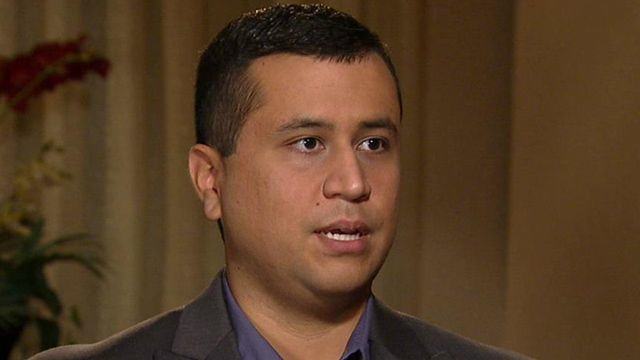
Nothing was gained by Zimmerman appearing on a National News Segment to retell his side of the story.
That gave the state several versions of the same night to compare sentence by sentence. In his recorded call to police, Zimmerman said Martin was running. On Hannity, he said Martin had skipped away. Prosecutors also hammered his explanation that he got out of his truck to find a street name in a small neighborhood where he’d lived for years.
Some differences in a person’s account are normal. Memory after a violent encounter is imperfect, different people ask different questions, and details come back later. But every inconsistency is an opening for the other side to call you a liar, and once that idea is planted, it colors everything else you’ve said.
I can’t imagine recommending a TV interview to someone facing a murder charge. Even if you’re completely justified, what do you gain? You create another chance to say something inaccurate, incomplete, or inconsistent with what you’ve already told investigators.
What You Do Right After
Don’s advice on the immediate aftermath was specific. Don’t leave the scene unless you have to for your safety. A prosecutor will call that consciousness of guilt, and it’s a hard argument to answer.
Be the one who calls the police, or make sure someone does. Self-defense is an affirmative defense, and you want to be the person who puts it on the table first. Don’s suggestion was to say something along the lines of: I was attacked, I had to defend myself, I’ll cooperate fully, I just need a chance to calm down and talk to my lawyer.
That doesn’t mean refusing to talk to responding officers. They may need to know immediately that someone needs medical attention, that there’s another armed suspect nearby, or where witnesses and evidence are. Give them that. A full account of a violent confrontation can wait until you’ve had legal advice. And a prosecutor isn’t allowed to tell the jury your silence means you’re guilty, because that’s a comment on your Fifth Amendment right.
If you want to hear Don walk through all of this in his own words, the full episode is worth an hour of your time: Can It Be Used Against Me? with Don West. We also talked with him earlier about what it’s like inside a self-defense trial in Behind the Scenes of a Self Defense Trial.
Put Your Worry Where It Belongs
After watching the whole trial, I don’t think the lesson is to be afraid of everything you do. Almost anything can be made to sound bad when someone is motivated to do it. If you try to live a life a prosecutor can’t criticize, you’ll end up less capable and no safer in court.
The lesson is to know which bucket you’re in.
Don’t lose sleep over the first bucket. Carry a reliable gun, chambered, in a good holster. Call the police when something looks wrong. Those decisions have legitimate reasons, and those reasons can be explained.
Manage the second bucket by being honest. Get training and learn the law, but don’t exaggerate what you know or can do.
Stay out of the third bucket entirely. Watch what you say about other people, especially when you’re angry. Don’t post things about wanting to shoot someone. And after a shooting, stay put, say what officers need to know, then get an attorney before you say anything else. If you want to be perceived as a sane, moral, prudent person then act like a sane, moral, prudent person.
If you want to understand where the legal lines actually are before you ever need to, our American Gun Law course is a good place to start.
The goal isn’t to live a life a prosecutor can’t criticize. It’s to live and carry in a way you can reasonably defend.
