

S12E10: Why Attend Training…Even as an Instructor? with Charlie Perez

About This Episode:
In this episode, I chat with competitive practical shooter Charlie Perez about the importance of continuous training for both instructors and students. We discuss how effective teaching goes beyond formal certifications and the need for self-evaluation.
Emphasizing the dual role of teacher and learner, we highlight the value of self-awareness and feedback in skill development. Personal anecdotes illustrate the transformative impact of diverse teaching styles. Key takeaways include viewing learning as a lifelong commitment, fostering curiosity, and actively seeking challenges for growth. This episode inspires listeners to embrace their paths to mastery.
Watch this episode
Read the transcript
Loading the transcript…
More episodes
-
 S14E7
S14E7
-
 S14E6
S14E6
-
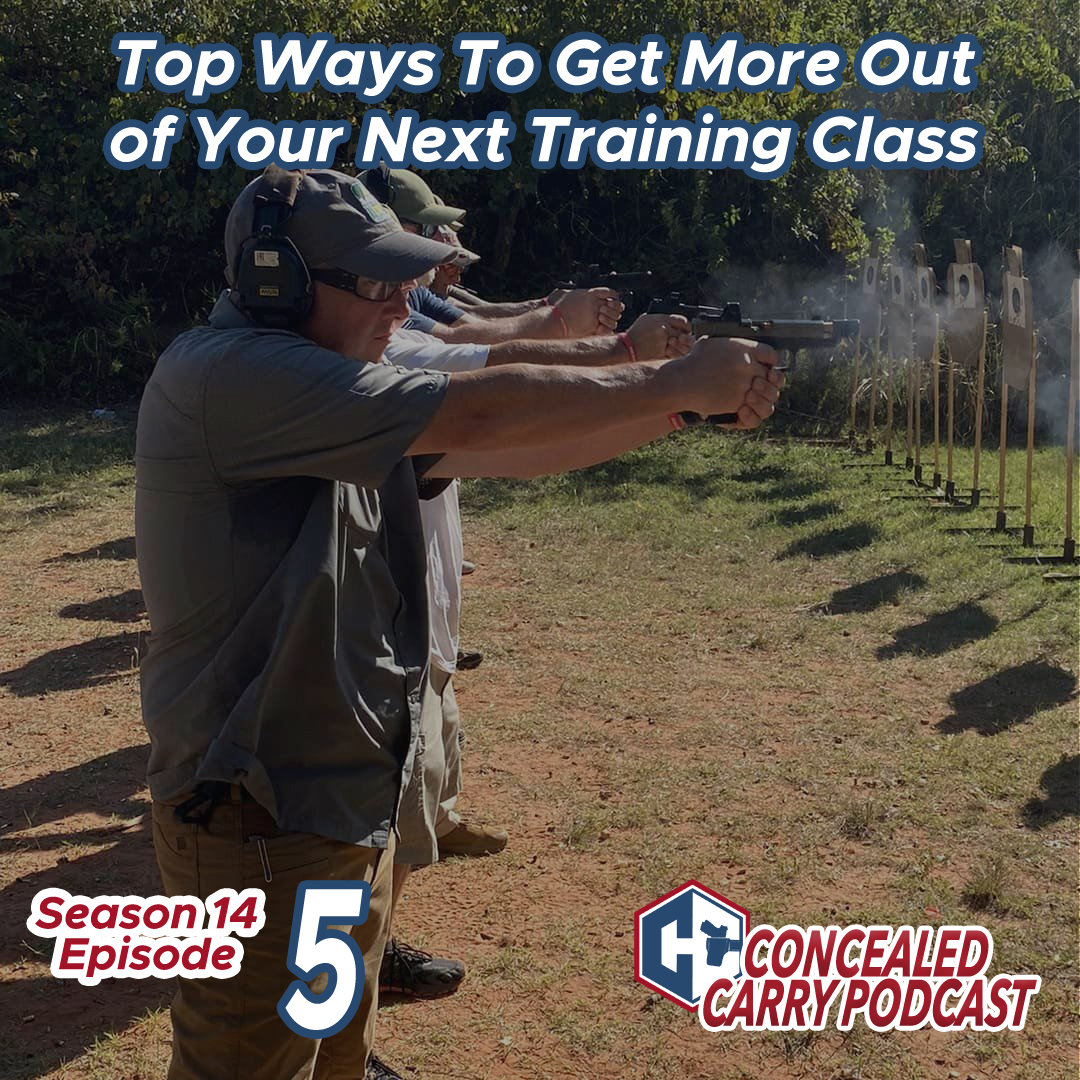 S14E5
S14E5
-
 S14E4
S14E4

Charlie, you emphasize the importance of continuous training — how do you personally structure your own development as both a shooter and instructor?
In my book Path of Focused Effort I have a whole section of content that walks you through assessing your performance, measuring the impact of each skill by time & frequency, then developing a Training Plan to optimize those skills. You can order my book on the http://www.bigpandaperformance.com website.
The Short answer to your question is that I Measure and Observe my skills to determine their current performance level. Once I know how long and to what level of consistency each skill takes to perform, then I layer on how frequently that specific skill is deployed. Lower proficiency skills with a higher frequency of execution are at the top of the list of skills to invest time and effort to improve. Higher proficiency skills with a lower frequency of execution are at the bottom of the list of skills to improve. All of the skills are on the “Improvement List” and they vacillate in their position on the list depending on how much or little an individual skill has improved. For this to work properly you need an ongoing effort of Skill Observation and Measurement process to determine which specific skills need the most Training Investment at any given time.