

The Budget Revolution: Are Quality Handguns Becoming More Affordable?
Are manufacturers expanding viable self-defense options for budget-conscious consumers?
My first handgun was a Hi-Point 9mm that cost me all of $100. At the time, that price point sounded fantastic—what wasn’t to love about an affordable entry into firearm ownership? Of course, I didn’t know what I didn’t know. I hadn’t yet learned about the importance of reliability, the value of quality control, or why industry professionals consistently steered people away from certain budget options. That Hi-Point served its purpose as an introduction to handgun ownership, but it wasn’t long before I understood why spending more money often meant getting a significantly better tool.
For decades, the budget handgun market was defined by significant compromises: you could have affordability or reliability, but rarely both in equal measure. While companies like Hi-Point offered firearms at rock-bottom prices—often under $150—these guns came with a reputation for questionable reliability and crude construction that made many industry professionals hesitant to recommend them for serious defensive use. The conventional wisdom suggested that if you wanted a truly dependable defensive firearm, you needed to invest $500 or more.

My First Handgun
That landscape appears to be evolving. In 2025, a new generation of manufacturers claims that advanced manufacturing techniques, increased competition, and smart design choices can deliver more reliable self-defense handguns at lower price points than were previously available.
However, this evolution comes with an important caveat: most of these budget firearms remain largely unproven over time. While initial reviews and limited testing may show promise, the true measure of a defensive firearm’s reliability–and durability–comes from years of service and thousands of rounds—data that simply doesn’t exist yet for many of these newer budget options. Notably, law enforcement agencies, which conduct extensive testing and have access to real-world performance data, have shown little inclination to adopt these budget alternatives, typically sticking with established brands like Glock, Heckler & Koch, and Smith & Wesson.
New Entrants Making Bold Claims
Today’s budget market features several firearms making promises of quality at significantly lower price points. The PSA Dagger series, priced between $299–$479, offers some Glock-19 compatibility and claims to deliver reliability that “FAR exceeds its retail value.” Canik’s TP9 series, with MSRPs around $399-$499, markets striker-fired pistols with quality triggers and comprehensive accessory packages.
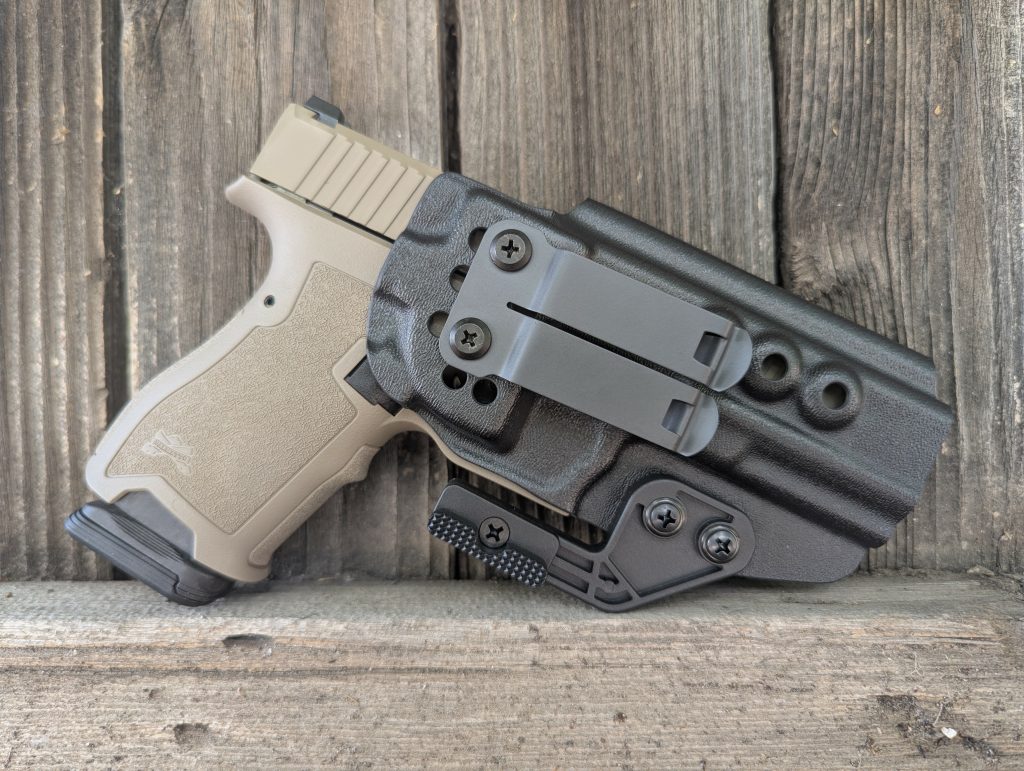
The PSA Dagger Can Be Had On Sale for Less Than $300
Traditional manufacturers have also entered this space with value-oriented offerings. Smith & Wesson’s updated SD9 2.0 targets the $349 price point with improved features over its predecessor. Taurus has introduced both the G3C and the GX4 (MSRP $439.99) targeting different segments of the budget-conscious market. Even Ruger has joined the fray with the RXM, collaborating with Magpul to offer a Glock-compatible option.
The Rost Martin, with an MSRP of $469.00, represents another entry attempting to capture market share in this competitive segment.
Whether these firearms can deliver on their promises of reliable performance at budget prices remains to be fully established through time and extensive real-world use.
The Proof Remains in the Pudding
While early user reports and initial reviews of these budget firearms are largely positive, it’s important to distinguish between promising early performance and proven long-term reliability. A firearm might function flawlessly for the first 500 or even 1,000 rounds, but defensive firearms need to remain reliable through years of carry, environmental exposure, and potentially tens of thousands of rounds.
The firearms industry has seen promising budget options before that didn’t stand the test of time. What separates truly reliable defensive firearms from merely adequate ones often becomes apparent only after extended real-world use. This is why law enforcement agencies—which have access to extensive testing data and liability concerns that demand proven performance—typically standardize on established manufacturers despite the potential cost savings of budget alternatives.
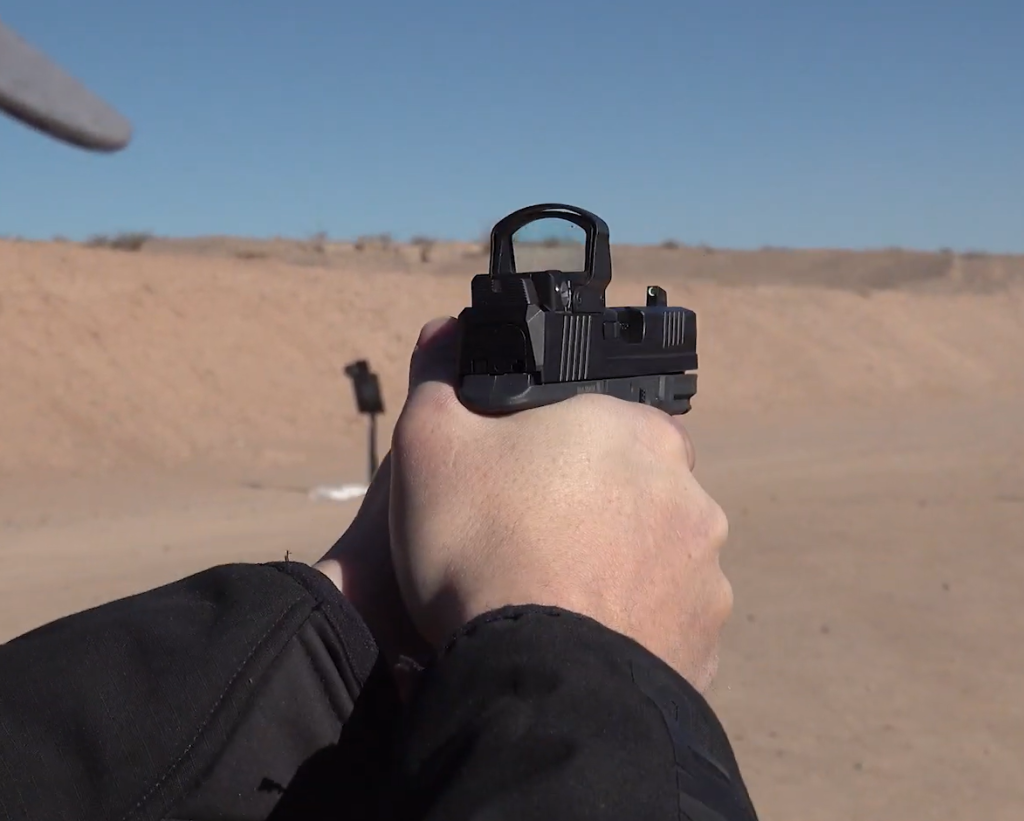
The New Ruger RXM sells for under $500
Current budget firearms may indeed represent a step forward in value engineering, but until they accumulate the track record of their more expensive counterparts, they remain promising rather than proven options.
Expanding the Viable Options
The contrast with earlier budget options is significant. While budget pistols have served their purpose as ultra-affordable firearms, they were often viewed as temporary solutions—guns you’d eventually replace when finances allowed. Today’s budget firearms in the sub-$500 range strike “a nice balance between quality and affordability” and are increasingly seen as legitimate long-term options rather than mere stopgaps.
This shift represents more than just incremental improvements in manufacturing; it reflects a strategic change in how manufacturers approach value engineering. Instead of simply cutting costs wherever possible, successful companies are making informed choices about where to concentrate their engineering and manufacturing investments.
Market Response to Economic Reality
In an economy where many Americans are facing financial pressures, firearm manufacturers have recognized an opportunity to gain market share by offering seemingly more viable options to budget-conscious consumers. The sub-$500 handgun market now offers more credible defensive options than ever before, representing a significant expansion of choices for those with limited budgets.
However, it’s important to maintain perspective. While these budget firearms represent substantial improvements over previous generations of economy guns, the fundamental principle remains: when it comes to defensive firearms, the best tool for the job should be the priority. The difference between a $300 handgun and a $700 handgun often comes down to time—saving money longer and perhaps selling a few unnecessary items to afford the superior option.
For me personally, given the degree of seriousness I place on my responsibility as an armed citizen and given how many hours I’ve spent in the company of firearms from budget, mainstream, and high end manufacturers for now I will continue to carry an HK handgun because I believe them to be the most reliable quality handguns available on the market. I’m willing to find a way to allocate the budget necessary to carry a firearm that while not at the top end of the expense ratio, is certainly more expensive than any of the budget options I’ve referred to in this article.
That said, not everyone has the luxury of significant time or resources and or the desire or commitment necessary to invest in the best tool for the job. Single parents, college students, seniors on fixed incomes, and others facing economic constraints still deserve access to reliable self-defense tools. The expansion of viable options in the budget segment means these individuals no longer have to choose between personal protection and financial responsibility.
The situation is similar to the automotive market—while some people will always be perfectly content driving a Ford Focus, those who take self-defense very seriously should continue to invest, as budget allows, in more reliable and better-performing firearms. The expanding budget market may provide more options for those with financial constraints, but time will ultimately determine just how adequate these options truly are for such a critical purpose.

I have a canik mete Mc 9 6000 rounds not one problem
I have a 9mm EZ that cost under 500.00 and it has been totally reliable and it has a good trigger, much better than my G19.