Dry Fire Corner
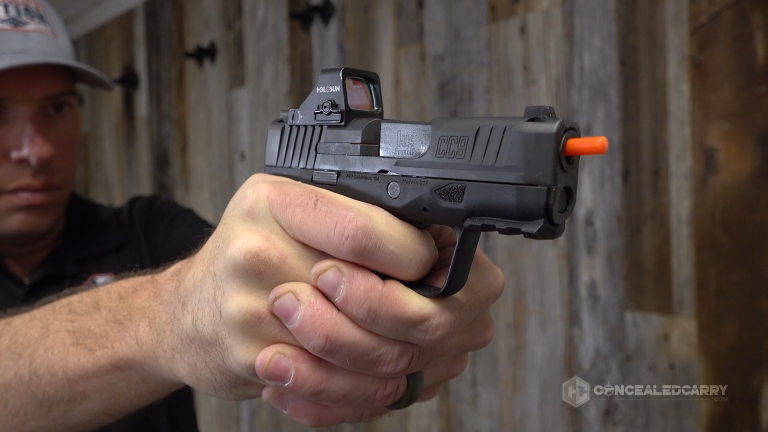
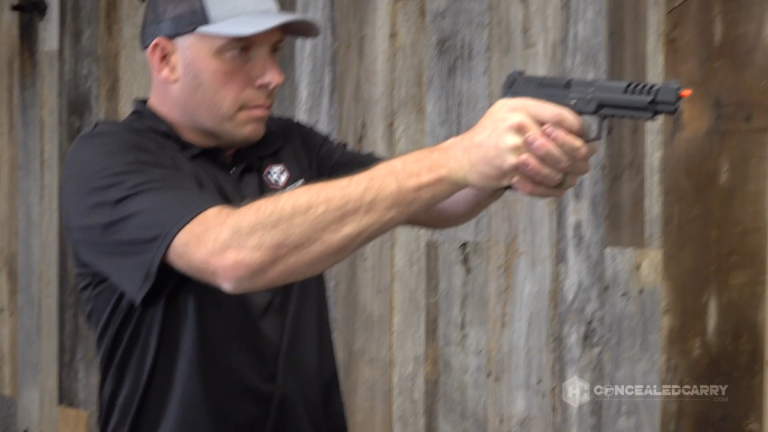
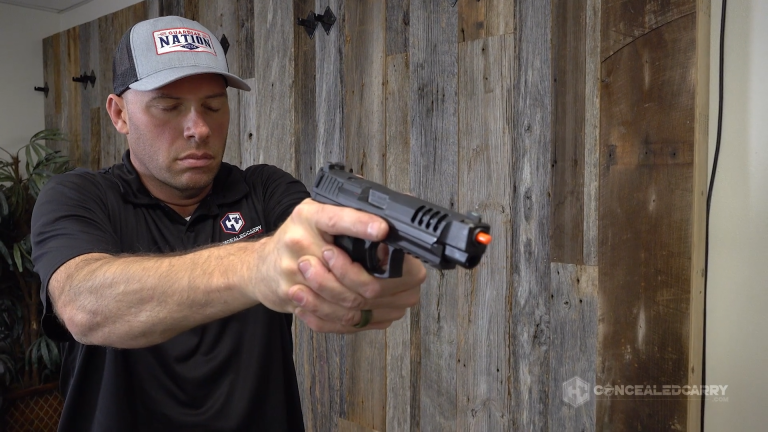
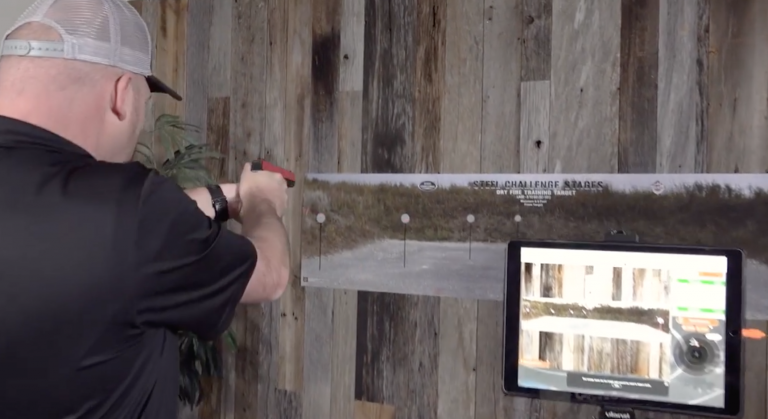
Dry fire is practice with an unloaded gun. No ammo, no range fees, and you can do it at home in ten minutes. This is where we keep everything we’ve built to help you do it safely and get better at it: drills, videos, gear, and our 21 day program.
Brought to you by Heckler & Koch
Our dry fire program
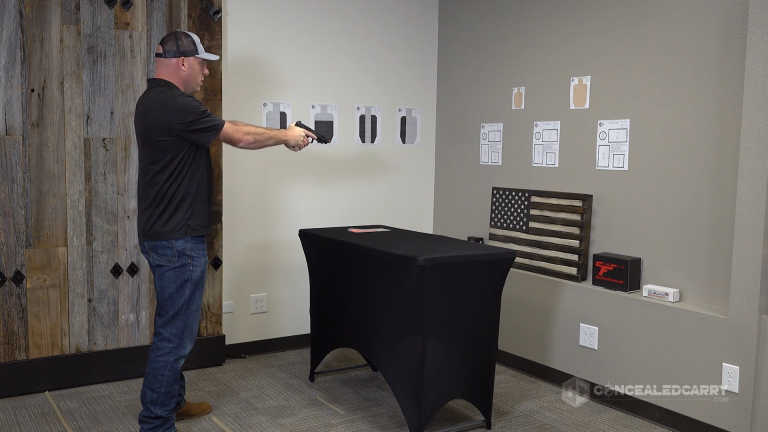
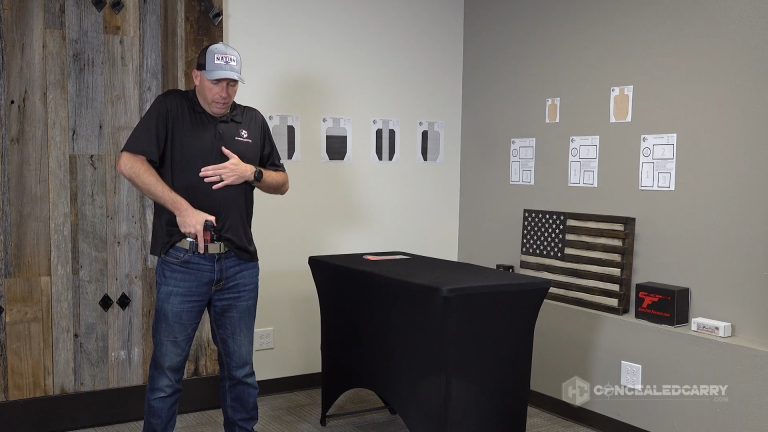
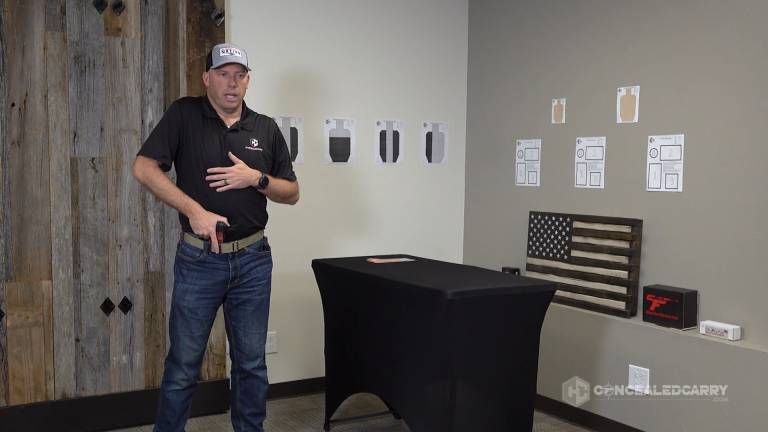
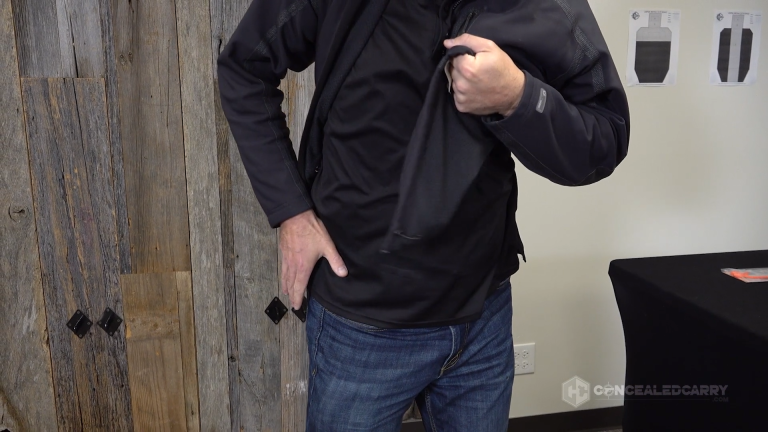
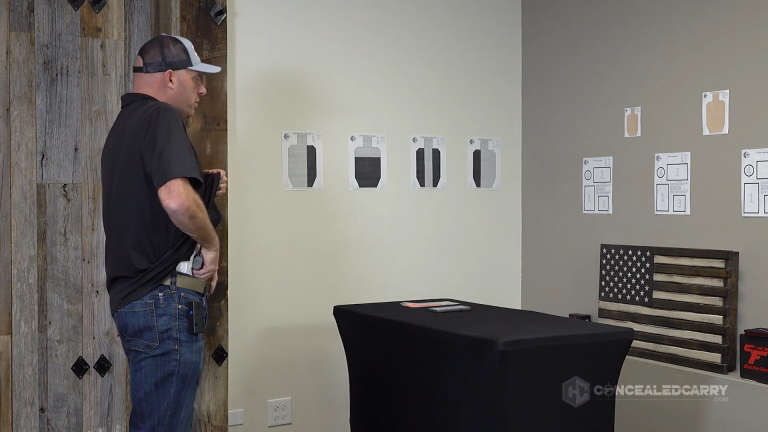
One dry fire exercise and one short lesson a day for 21 days. You’ll work the grip, the draw, drawing from concealment, reloads, malfunction clearance, transitions, shooting from cover and more, building each day on the last.
New to dry fire?
You don’t need special gear to start. You need an unloaded gun, a safe place to point it, and a plan for the next ten minutes.
Unload the gun and put every round of ammunition in a different room. Check the chamber and magazine by sight and by feel, then check again.
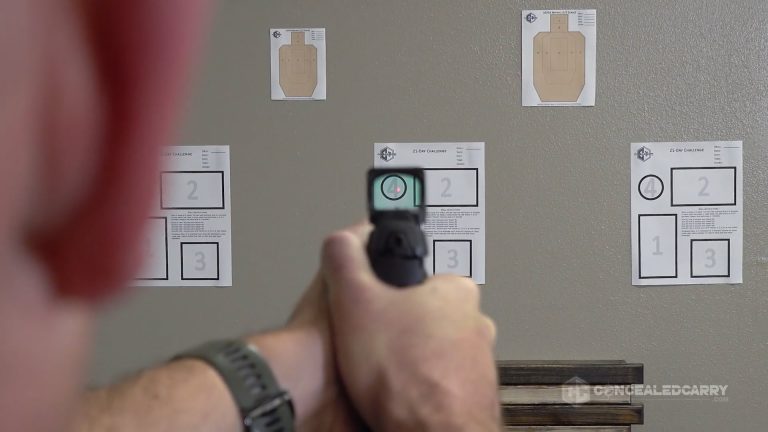
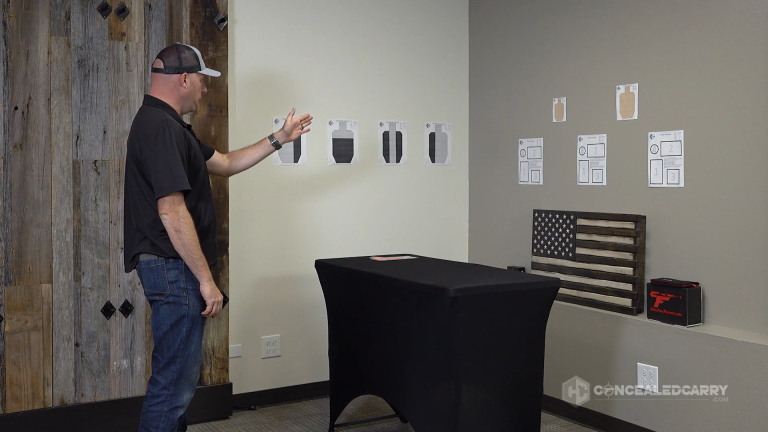
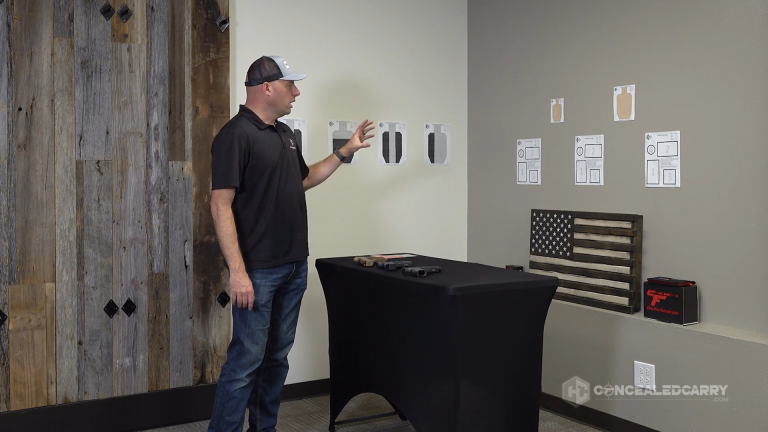
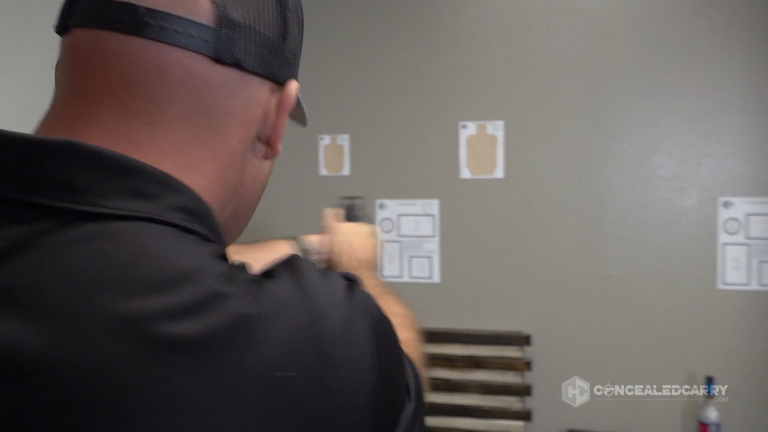
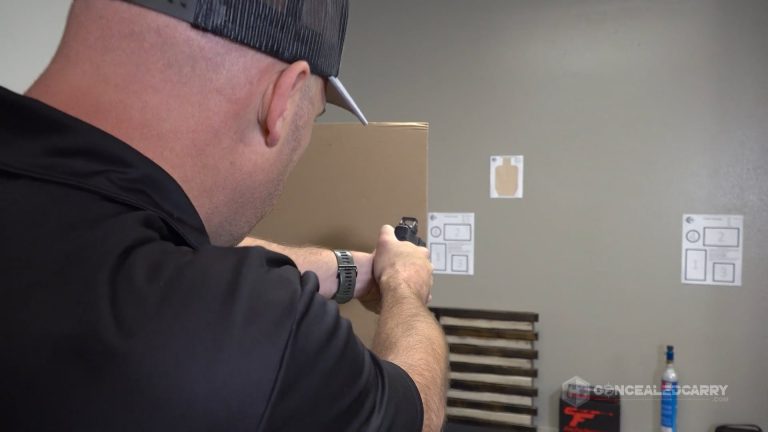
Point at a wall or backstop that could stop a bullet if the worst happened. Tape a small target to it so you have something specific to aim at.
Ten to fifteen focused minutes beats an hour of sloppy reps. Pick one skill, like the draw or the trigger press, and work only on that.
Watch
Drills, gear breakdowns and full training series from our instructors. Filter by what you want to work on.
14:33Latest free video
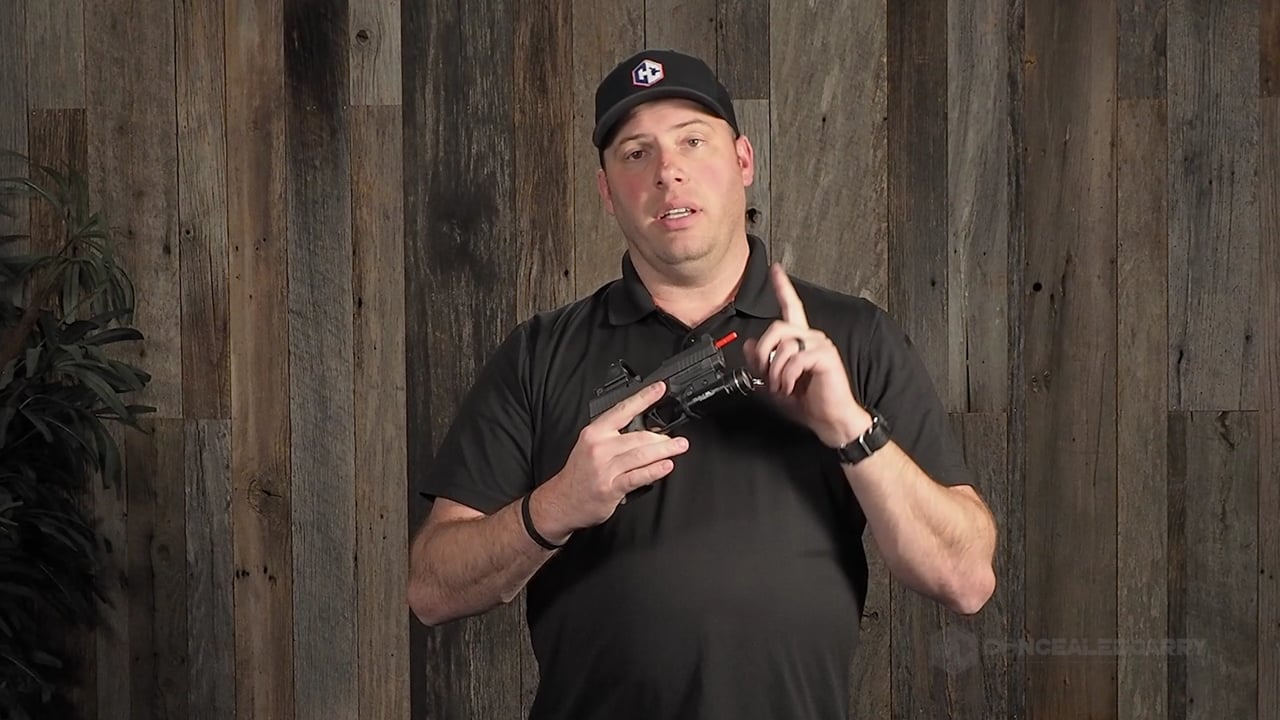
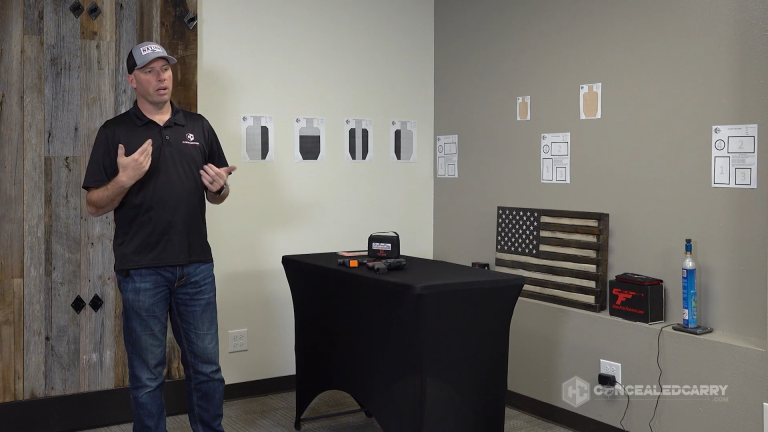
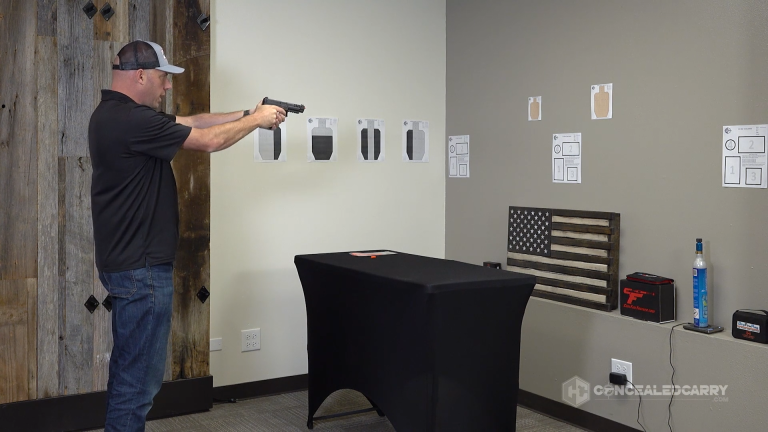
If your “dry fire practice” is just draw–press–click–rack–repeat… you’re wasting time and possibly building bad habits. In this video, Riley Bowman (Director of Training at ConcealedCarry.com) breaks down a smarter way to run dry…
Watch now
19:15 Members
Members
17:09 Members
Members
Members
Members
Members
Members
Members
Members
Members
Members
Members
Members
Members
33:29 Members
Read

Riley and Jacob share top lessons learned from concealed carry permit renewal lessons. Some are obvious, some are not. If…
Sep 23, 2026
Concealed carry renewal classes reveal surprising gaps in training. Here are 3 lessons every gun owner should learn—and why ongoing…
Aug 26, 2025
When teaching at a firearms training conference a few years ago, I saw a demo of a Meta Quest 2…
Jan 29, 2025
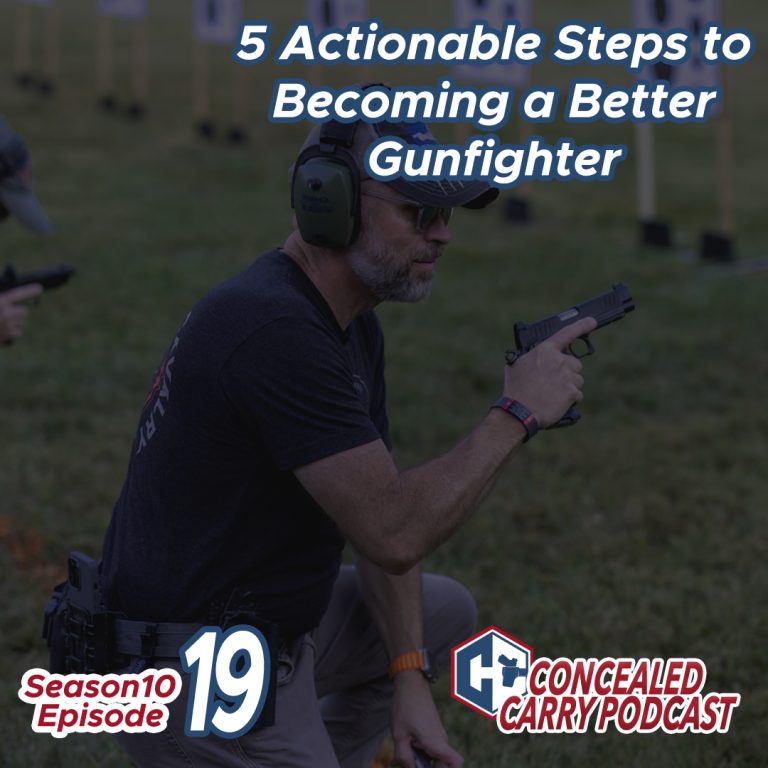
Jacob Paulsen and Brian ‘Doc” McLaughlin discuss the top critical things or activities to becoming a better gunfighter. We think…
Nov 20, 2024
I've been thinking about malfunctions a lot lately. In the training environment and at the static range malfunctions are frankly rare for me as…
Nov 13, 2023
Dry fire practice is an essential component of firearm training, honing crucial skills with no live ammunition. In this realm,…
Oct 23, 2023Gear
None of this is required to start. All of it makes practice safer or gives you better feedback.
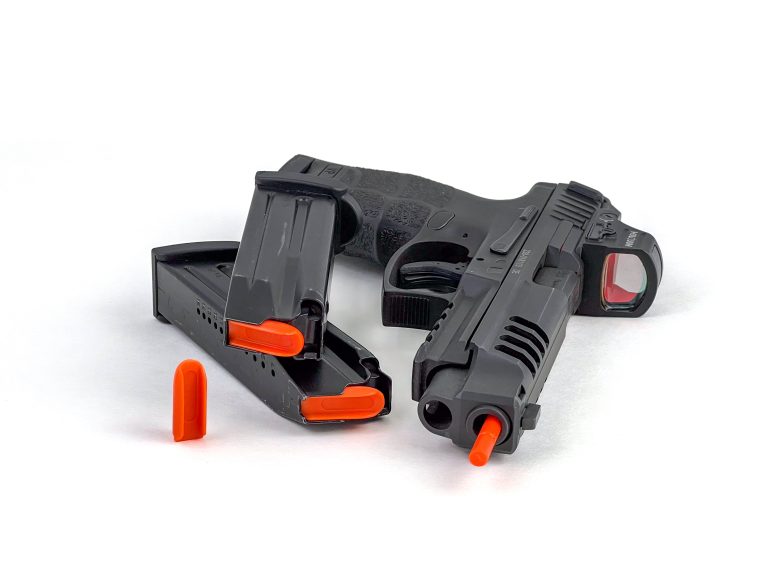
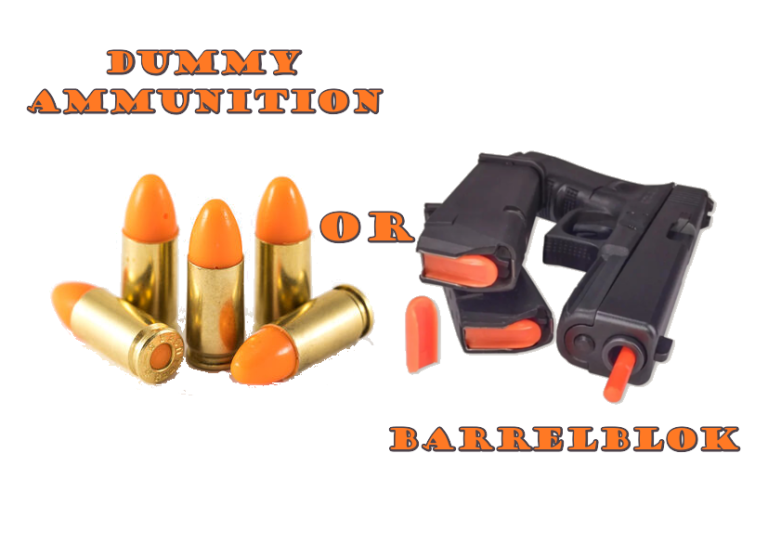
Make the gun safe to practice with and give yourself something to load.


See where every shot would have gone without firing one.


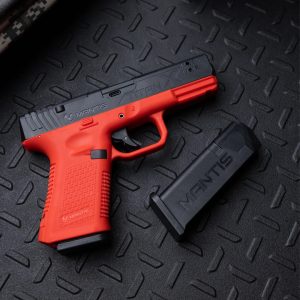
Get feedback on every press, and skip racking the slide between reps.


Structure for your sessions so you’re practicing on purpose.
For reload and malfunction drills, and for guns that need a cushion for the firing pin.


Join the ConcealedCarry.com email list for new dry fire drills, training videos and articles.
FAQ
For most modern centerfire handguns, no. Rimfire guns are the main exception: dry firing them without a snap cap can damage the firing pin and the edge of the chamber. Some older designs have their own cautions, so check your owner’s manual. When in doubt, use a snap cap.
Short and often works best. Ten to fifteen minutes a few times a week will do more for you than one long session a month. Consistency is what builds the skill.
An unloaded gun, a safe backstop and a target. That’s it. Chamber blocks, dummy rounds, laser trainers and shot-tracking sensors make practice safer and give you better feedback, but none of them are required to start.
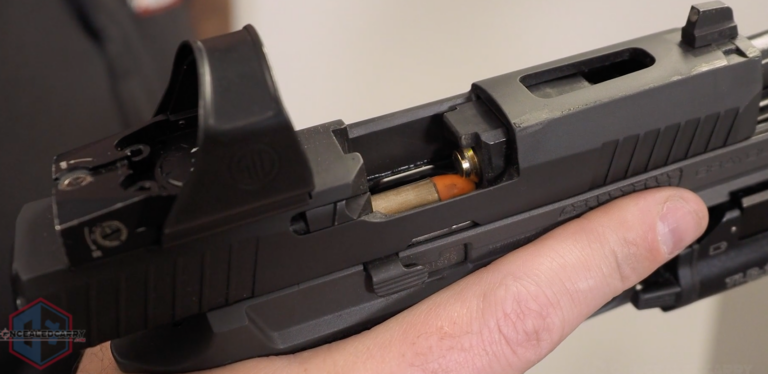
Snap caps have a cushioned primer so the firing pin has something to strike, which protects guns that need it. Dummy rounds are inert training rounds used mostly for loading, reloading and malfunction drills.
Yes. Dry fire builds the fundamentals: grip, the draw, sight alignment, trigger press and gun handling. It can’t teach recoil management or confirm your hits. Use it so your range time counts for more.
Start with the draw and a clean trigger press on a small target. Once those feel solid, add reloads, malfunction clearance and movement. The 21 Day Concealed Carry Challenge walks you through it one day at a time.